Fuelling Growth: The Decisions That Sustain Scale
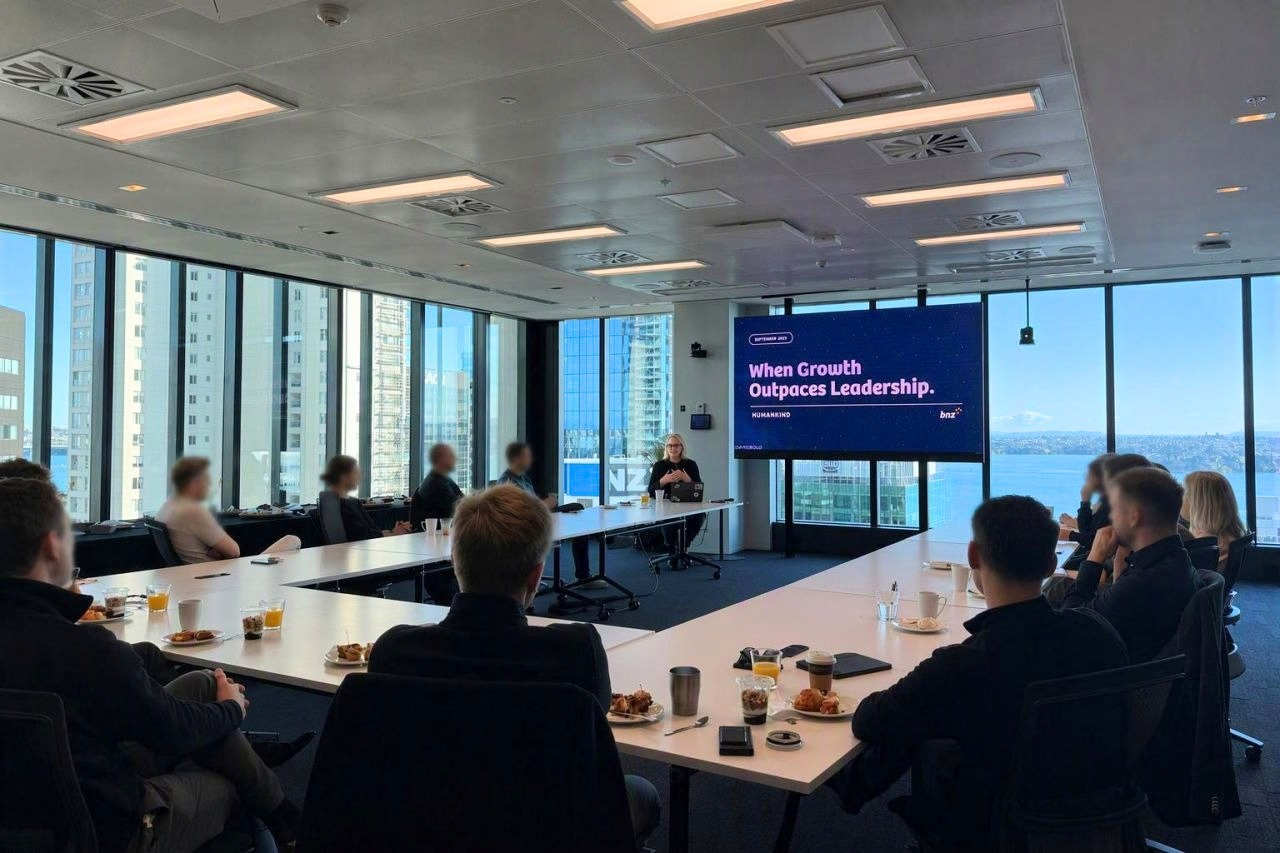
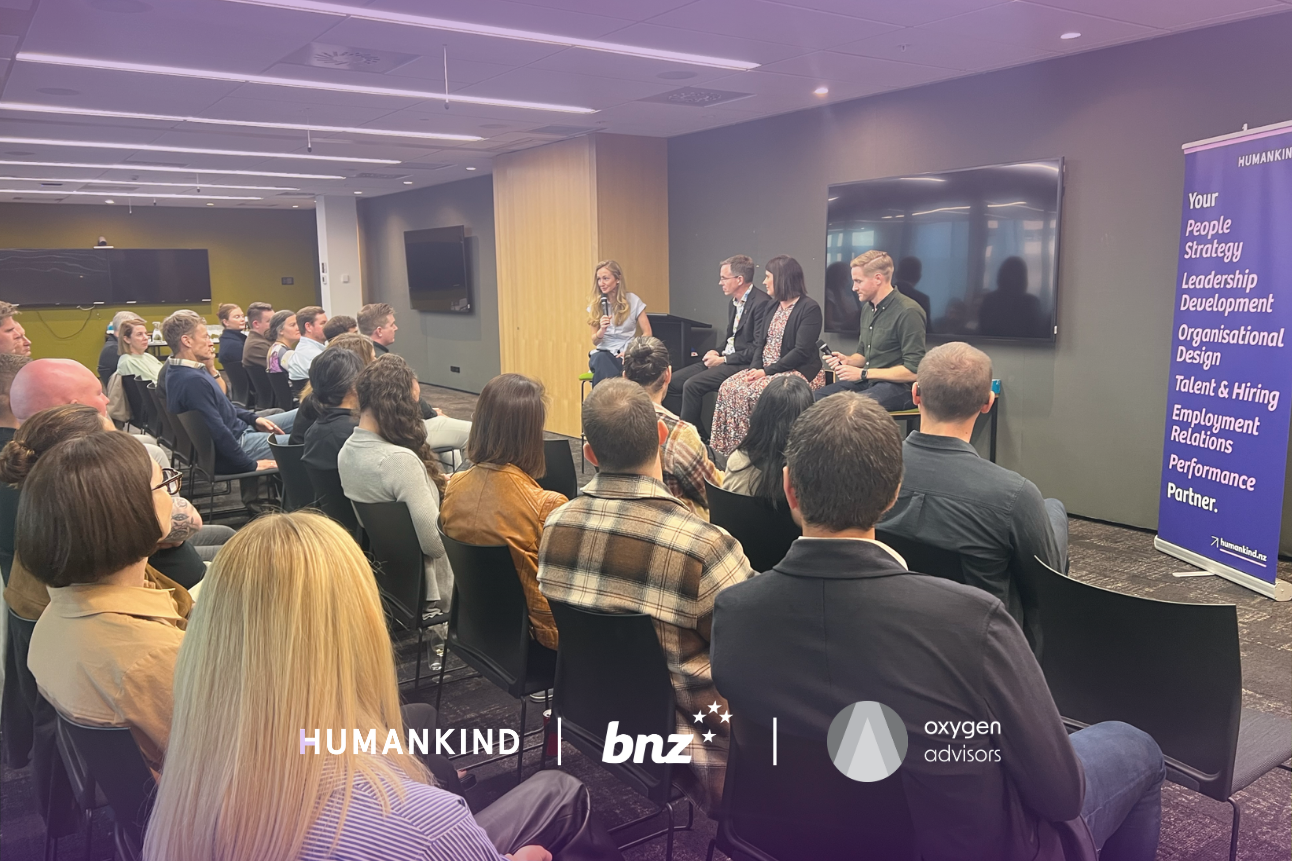
In Christchurch last week we partnered with BNZ and Oxygen Advisors, to bring together founders and operators from Modica Group, Enztec and Contented AI for a panel discussion on what it takes to scale.
It’s a collaboration we’re excited about, as we spend a lot of time with the same companies at similar points of growth, each looking at a different part of the same challenge, capital, financial performance, and how the business is set up to deliver through its people.
01. When strengths start to become constraints
One of the panel said, “our greatest strength became our greatest weakness,” which is a familiar moment for most scaling companies.
Early on, you build around people who can move quickly, solve problems, and step in wherever needed, and that’s exactly what creates the initial momentum. Over time, though, those same behaviours start to create pressure because too much still sits with a small group of people, decisions continue to funnel back to them, and others rely on them more than they should.
Nothing feels obviously broken, but the business starts to require more effort than it used to, and progress becomes harder work than it should be.
02. More people often adds complexity, not capacity
When demand increases, hiring feels like the obvious response, and often it is in the moment.
What came through in this conversation, though, is how easily that can add complexity faster than it adds value, particularly when the structure underneath hasn’t kept up. One of the leaders spoke about performing better with a smaller, more focused team after a period of rapid growth, not because they had the wrong people before, but because the way the work was set up hadn’t evolved with the business.
At that point, growth stops being about capacity and becomes much more about clarity, clarity of ownership, priorities, and how decisions actually get made.
03. Letting go is where most businesses stall
There’s a point where founders and leaders know they need to step back, build the next layer, and create space for others to lead.
In practice, that shift is slower and more personal than it sounds. It’s not just handing over responsibility, it’s being comfortable with different decisions, different approaches, and not being in the middle of everything.
That takes time, and while that transition is happening, the business often continues to rely on the same people in ways that limit how far it can scale.
04. Capital creates room, but it also raises the bar
The discussion on capital was less about whether to raise and more about what it changes once you do.
In some cases, it created the ability to invest properly in capability, systems, and leadership. In others, it forced a step change in how the business needed to operate. In both cases, it removed the option to defer the harder structural work that comes with growth.
Capital doesn’t solve those challenges, but it does make them harder to ignore.
05. AI is changing how work happens, not what matters
AI came up throughout the conversation, but in a way that felt considered rather than reactive.
The focus wasn’t on replacing people or reducing teams, but on where it genuinely increases capability and where it risks stripping out something important. There was a clear sense that while AI can improve speed and efficiency, it doesn’t replace judgement, context, or the way a business shows up to its customers.
That distinction is shaping how people are choosing to use it.
06. Growth changes how a business feels to run
From the outside, these companies all look like they’re growing well.
Inside, what’s changing is how much coordination is needed, where decisions sit, and how work flows through the business. The systems that worked earlier start to show their limits, not because they were wrong, but because the business has moved beyond them.
That shift is often the signal that the next phase of growth depends less on pushing harder, and more on evolving how the business operates.
A final reflection
One of the founders reflected that they would have invested earlier in support and capability, not because things were going badly, but because they were trying to keep up with growth using the same setup that got them there.
That’s a common pattern, holding onto ways of working that made sense early on, even as the business grows beyond them.
Interested in more
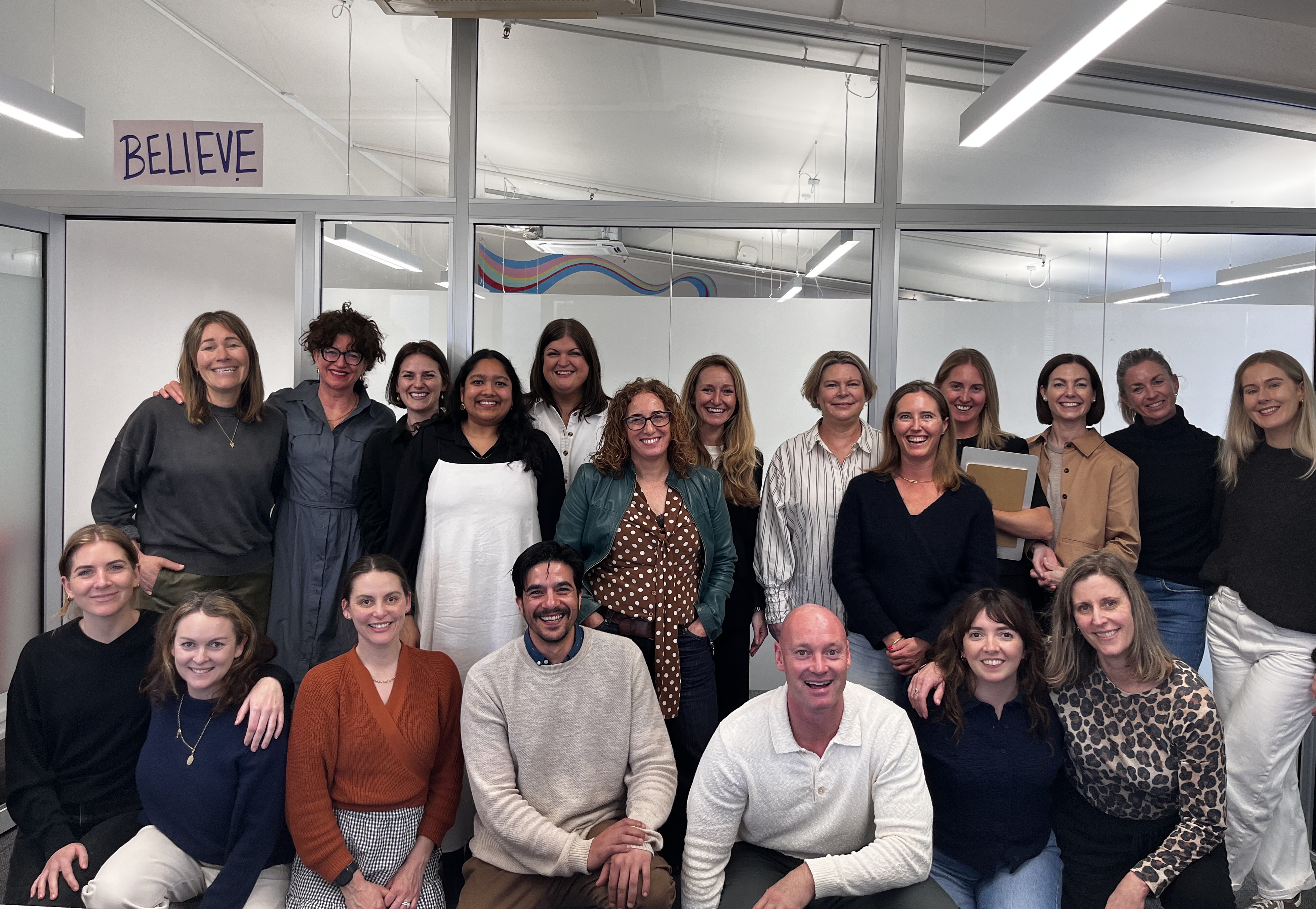
We have a growing team in Christchurch who are experienced in startup to scale. If this feels like you, get in touch.