When Information Is Everywhere, Leadership Matters More
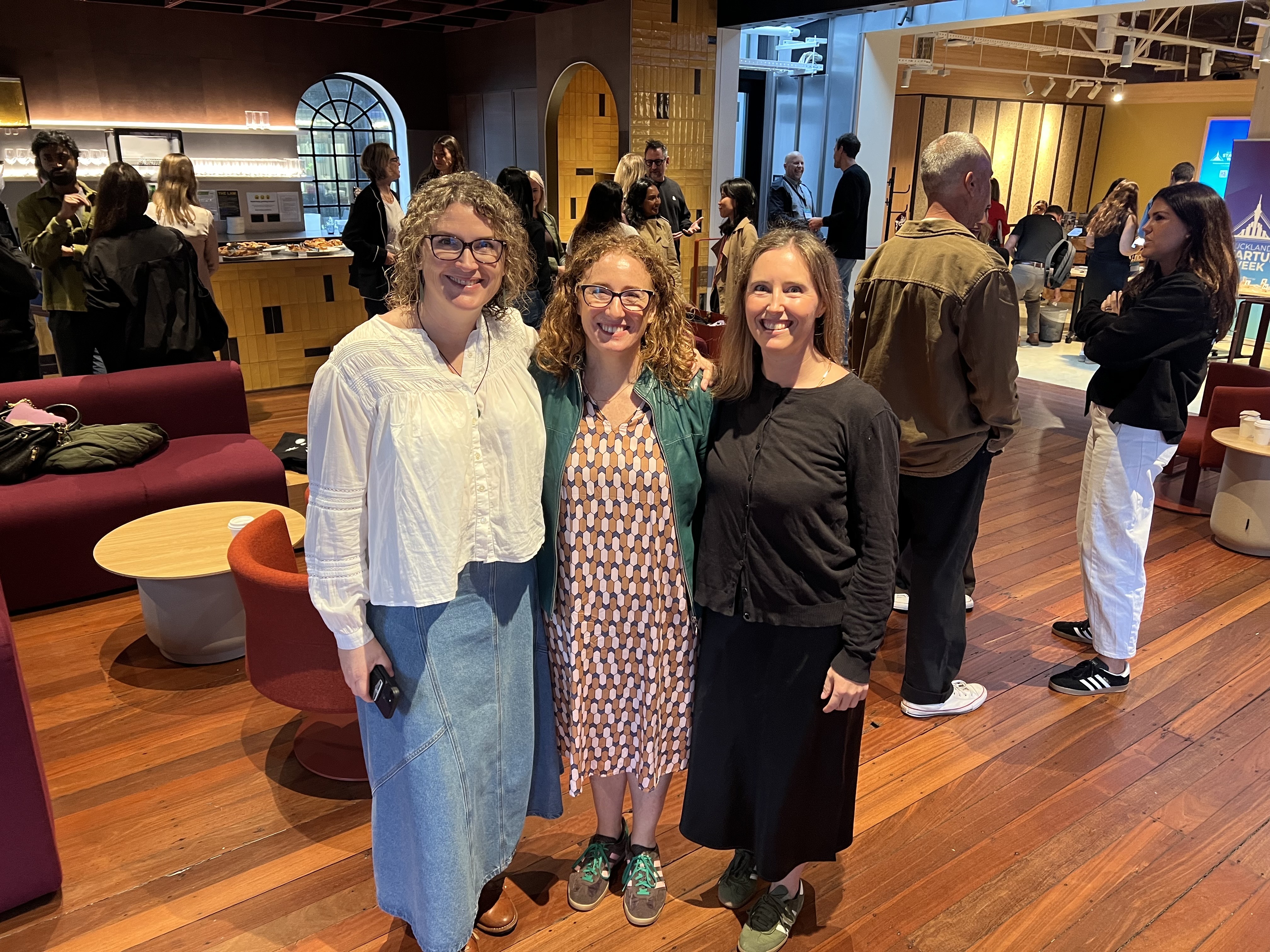
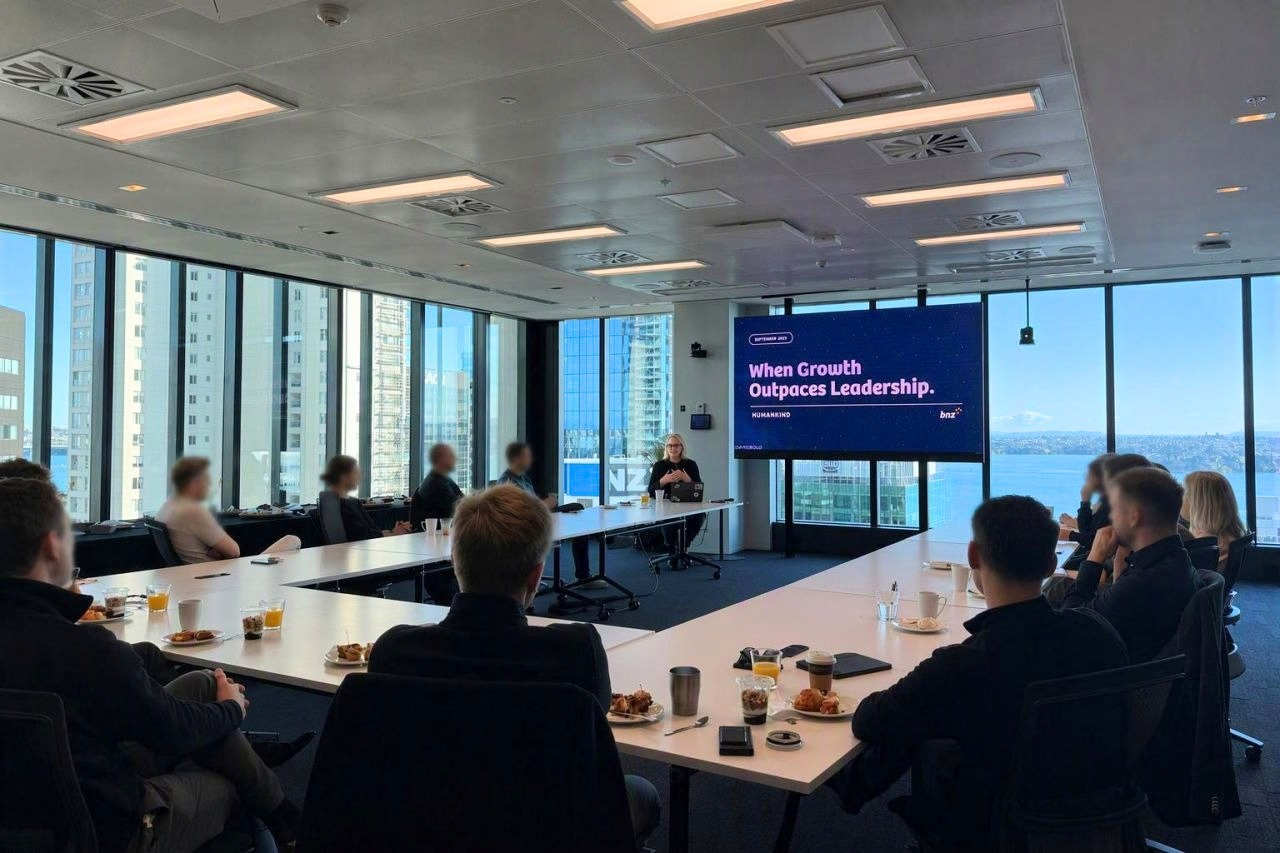
Last month we attended OnBoard’s event on 10x Better Boards: Is Traditional Governance Dead?
OnBoard is an initiative focused on bringing fresh expertise and diversity of thought into startup boardrooms, while building a pipeline of future independent directors. The event brought together founders, directors, investors and operators to explore what better governance looks like now, as companies scale faster, expand earlier and navigate rapid changes in AI and technology.
We were joined by Serge van Dam, who brought deep experience across startups, investing, AI and high-growth technology companies; Dana McKenzie, an experienced independent director and angel investor with a strong focus on deep tech and innovation; and Andrew Wierda, CEO and Co-Founder of Law Cyborg, who brought a founder’s perspective on building an AI-powered company.
The conversation covered some big questions. Could AI remove some of the information gap between management and boards? If directors can access source data directly, ask their own questions and get answers in real time, what happens to the traditional board pack? What happens to monthly reporting cycles? Do startups need directors with experience and pattern recognition, or fresh thinkers willing to challenge how things have always been done? And are boards helping founders move faster, or sometimes slowing them down?
It was a lively discussion, engaged crowd, and at times it felt like the whole model was up for debate. For a long time, a lot of governance has been built around information: gathering it, preparing it, presenting it, interpreting it, challenging it. If AI can do more of that work, or at least make it faster and more transparent, then does the role of the board starts to shift.
The conversation kept coming back to the human work of governance: judgement, context, challenge, trust and supporting founders through decisions where there is no obvious right answer.
That felt very familiar to the work we do with leadership teams.
Most leaders are not short of information. They have dashboards, reports, engagement data, customer feedback, financials and market insight. Often, they have more than enough. The harder work is making sense of it together.
What matters most? What decision needs to be made? Where are people seeing the same information but drawing different conclusions? What would give the team enough clarity to move?
AI will keep changing how organisations work. It will make some things faster, easier and more visible. But better information alone does not help people move in the same direction.
That still comes from the conversations leaders are willing to have, the clarity they create, and the trust they build when the work is complex.
So yes, the future of governance may look different, as will the future of work. But the human work remains.