Scaling for high performance: What growing businesses need to get right
Scaling a business takes more than growing your team. It requires leaders to evolve, build new capabilities and rethink how work gets done.
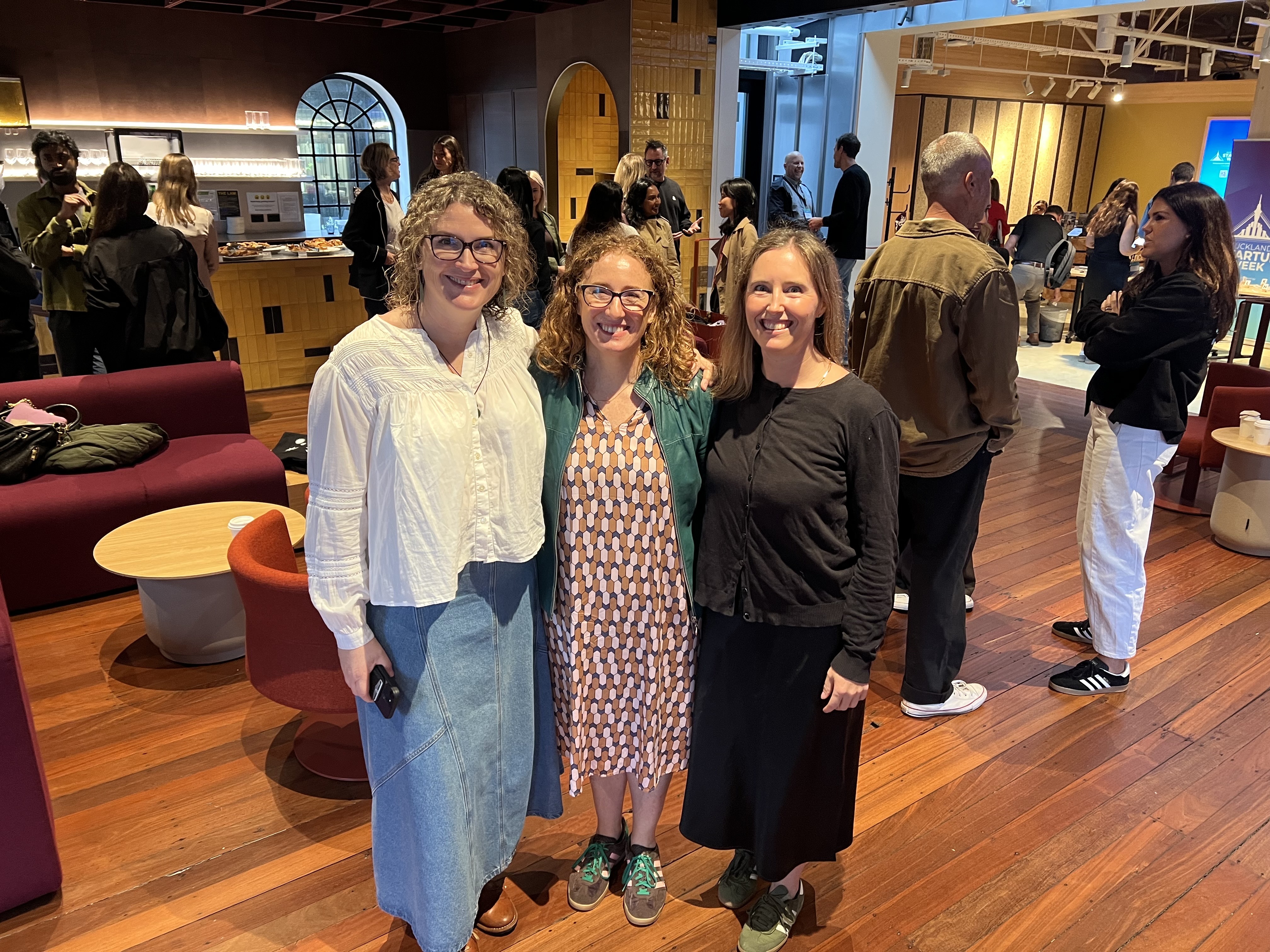
We recently partnered with BNZ in Christchurch to explore this with three business leaders at different stages of growth.
Facilitated by Humankind CEO Anna Muir, the panel brought together James Howard, CEO of Cambridge Partners, Max Ferguson, Founder and CEO of Lumin, and Lucy Pink, Co-founder of Contented, to share their experiences of scaling and sustaining high performance.
Leadership needs to evolve as your business grows
As Cambridge Partners transitioned from a founder-led business, James Howard found that blurred responsibilities between ownership, governance and management were slowing decisions and limiting growth.
Clarifying these responsibilities was a significant turning point. It required James to step back, empower others and build a leadership team capable of taking the business forward.
It's a challenge we regularly see in growing organisations. The leadership approach that helped establish a business can eventually become a constraint.
As businesses scale, CEOs need to spend more time setting direction, developing leaders and creating the conditions for others to take ownership and perform.
Growth exposes what's holding your business back
James shared a memorable piece of advice he'd received earlier in his career:
"You'll never have a growth problem, you'll have a capacity problem."
Growth often exposes existing constraints, from leadership capacity and inefficient processes to organisational structures that have struggled to keep pace.
At Cambridge Partners, the focus has been on challenging how work gets done and creating capacity, rather than simply adding more resources.
Before hiring more people, it's worth asking what's really slowing your business down. Is it a capacity issue, or are unclear responsibilities and inefficient ways of working getting in the way?
Understanding the real constraints helps leaders make better decisions about where to invest.
High-performance cultures are built deliberately
As Lumin grew beyond 100 people and expanded internationally, Max Ferguson found that informal ways of building culture were becoming less effective.
Today, Lumin invests around 5% of its workforce costs in travel, bringing employees together across international offices to strengthen relationships and collaboration.
At Contented, Lucy Pink described a different approach, with a strong in-person culture built around shared accountability, clear expectations and celebrating success together.
Both recognise that culture requires deliberate investment as a business grows.
As Anna reflected, CEOs often need to become their organisation's Chief Reminding Officer.
Leaders can underestimate how often they need to reinforce what matters. Building a high-performance culture means consistently communicating expectations, recognising the right behaviours and helping people understand how their work contributes to the business.
Every hire is a strategy decision
Lucy shared how Contented brought forward its planned Head of Engineering appointment after meeting an exceptional candidate.
The role had been budgeted for later, but the founders recognised the capability this person could bring and decided to act.
As Lucy put it:
"Hiring the right person at the wrong time is better than the wrong person at the right time."
Max shared a similar perspective. Lumin generally hires when capability gaps become a constraint, while remaining open to exceptional people who can lift the performance of the wider team.
It's something we believe strongly at Humankind: every hire is a strategy decision.
The best recruitment decisions start with understanding where the business is heading, the capabilities it needs and the people who can help it get there.
Build the capability to keep changing
As markets, technology and customer expectations evolve, the ability to adapt becomes increasingly important.
Max spoke about the need for Lumin to continually innovate:
"Change can happen to you, or change can happen because you drive it."
At Contented, Lucy described an approach built around testing ideas quickly and learning as they go. Rather than spending months planning, the team asks what they can test today, tomorrow or next week.
James reflected on how Cambridge Partners has encouraged people to challenge existing approaches and find better ways of working, making change a more natural part of the organisation.
For growing businesses, building the capability to change means giving people clarity, encouraging them to challenge how things are done and creating an environment where learning and improvement are part of everyday work.
Building an organisation for what's next
While each business is at a different stage of growth, the common thread was the importance of being deliberate about how they grow.
Developing leaders, making strategic hires, investing in culture and creating capacity all contribute to an organisation's ability to sustain performance.
Growth creates opportunity. How you organise and lead your people determines how well you can deliver on it.
At Humankind, we help ambitious businesses connect their people strategy with their business strategy, building the leadership capability and organisational practices that enable sustainable growth and high performance.
Thinking about what your organisation needs for its next stage of growth? Let's talk.